To download this guide as a PDF document click here

Quick guide: what is information can I find?

Introduction

Bariatric surgery is an effective treatment for complex obesity and obesity-related health problems. This page explains what to expect before and after bariatric surgery, how to manage food and eating after surgery, how weight loss and health improvement occurs, the role of psychological support and how to manage side effects. The aim is to help you understand the process and to support long-term health after bariatric surgery.

1. Understanding bariatric surgery

What is bariatric surgery and how does it work?

Bariatric surgery changes how the stomach and digestive system function. The stomach is made much smaller, which means you feel full after eating a smaller amount of food. In some procedures, food also moves through the digestive system differently, reducing the amount of nutrients absorbed.

The surgery also changes hormones that effect feelings of hunger, fullness and blood glucose levels. After surgery, many people feel less hungry and more satisfied when eating. Bariatric surgery is a tool that helps manage obesity, which is a long-term (chronic) disease. Like other chronic conditions, obesity needs ongoing care over time. Surgery is part of that care, not the end of it. Healthy habits such as eating well, staying active, getting enough sleep, managing stress, taking medicines as prescribed, keeping track of your progress, and going to follow-up appointments, all play an important role in supporting your health after surgery.

What types of bariatric surgery are available?

There are several different types of bariatric surgery and while they all aim to improve health, they work in slightly different ways. The most commonly performed procedures are sleeve gastrectomy and gastric bypass. Each operation affects how much you can eat, how your body processes food and how hunger is regulated. The surgical team will discuss which surgery may be most suitable for you.
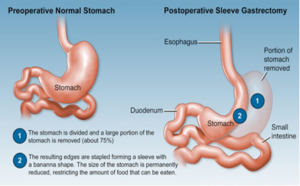
What is a sleeve gastrectomy?

A sleeve gastrectomy involves removing a large portion of the stomach, leaving a smaller, narrow tube shaped like a banana. This significantly reduces how much food the stomach can hold at one time.

In addition to reducing portion size, this operation also lowers levels of hunger hormones, meaning many people notice that they feel less hungry and more satisfied after eating.

Food continues to pass through the digestive system in the normal way, so there is no bypass of the bowel. Because of this, the risk of nutritional deficiencies is usually lower than with some other procedures, although long-term vitamin and mineral supplements are still required.
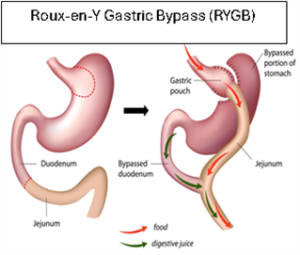
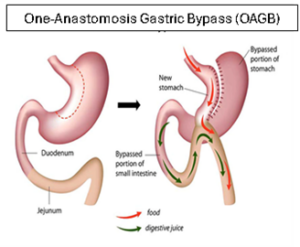
What is a gastric bypass?

A gastric bypass involves creating a small stomach pouch and connecting it directly to a lower part of the small intestine. This means food bypasses most of the stomach and the first part of the bowel. This operation works in several ways at the same time. The small stomach pouch limits how much food can fit in at one time. The bypassed section of bowel reduces the amount of nutrients absorbed from food. The hormonal changes after this procedure are powerful, especially in improving blood glucose levels. Because of these effects, gastric bypass is often recommended for patients with type 2 diabetes or more complex metabolic conditions. However, because of the changes in absorption, there is a higher risk of vitamin and mineral deficiencies and long-term vitamin and mineral supplements are required.

How is the decision made about which surgery I will have?

The choice of procedure is individual and based on your overall health, medical conditions and discussion with your surgical team.  Factors that influence the decision include whether you have diabetes or other metabolic diseases, whether you experience reflux, your body weight and your previous medical and surgical history.

There is no single “best” operation for everyone. The most suitable procedure is the one that balances effectiveness, safety and your individual needs.

Where possible all bariatric surgery procedures are done as laparoscopic “keyhole” surgery. This is a type of surgery done through small cuts in your abdomen rather than one large incision. A tiny camera and special instruments are used to help the surgeon see and operate. Recovery is typically quicker because it uses small incisions, with less pain and smaller scars compared to traditional open surgery.

Are there other types of bariatric procedure?

There are other types of bariatric procedures, including a temporary procedure called a gastric balloon. This involves placing a soft balloon into the stomach, which is then filled with fluid or gas so that it takes up space in the stomach. Because the balloon fills part of the stomach, it reduces how much food fits at one time and can help you feel fuller quickly. It can also reduce hunger in some people.

The balloon is usually inserted through the mouth using a camera, while you are sedated. No surgery is required. The procedure is relatively quick, and most patients go home the same day. The gastric balloon is temporary and is usually left in place for around six months, although some types can remain for up to twelve months. After this time, the balloon must be removed using a similar procedure to insertion. Because it is temporary, the balloon is often used as a short‑term intervention rather than a longer term treatment for obesity. For example, the gastric balloon can support a patient to lose some weight and after it is removed they are at a lower, safer weight to have a sleeve gastrectomy or a gastric bypass.

What are the benefits of bariatric surgery?

Many patients have improvements or resolution of conditions such as type 2 diabetes, high blood pressure, sleep apnoea and joint pain. Mobility, energy levels and quality of life often improve.

What are the risks of having bariatric surgery?

Short-term risks include bleeding, infection, blood clots and rarely a leak from the stomach. Long-term risks include dumping syndrome, reflux/heartburn, ulcers, vitamin deficiencies and gallstones. Dumping syndrome is when food, especially sugary or high-fat food, moves too quickly from your stomach into your small intestine, instead of being digested more gradually as it would be before the surgery. This can cause a range of symptoms including nausea, cramps, shakiness, sweating, feeling weak, racing heartbeat and diarrhoea. The bariatric dietitian will advise you on how to eat to reduce the risk of this happening.

Changes in bowel habit can happen in the early stages after surgery, especially constipation and less commonly people have ongoing problems with bowel symptoms over the longer term.

These risks are reduced by attending follow-up appointments, having regular blood tests, avoiding certain medications such as Non-Steroid Anti-inflammatory painkillers (e.g. Ibuprofen/Brufen, Difene), and taking lifelong vitamin and mineral supplements.

Adjusting to life after bariatric surgery is not just physical, it can impact your emotional wellbeing too, and it is important to be aware of this so you know what to look out for and where to get support. Some people experience new or returning difficulties with alcohol use after surgery and there is also a higher risk of suicidal thoughts in the years following surgery. If you have struggled with your relationship with food in the past, these feelings can sometimes resurface too. These psychological changes most commonly appear 1-2 years after surgery, often once the initial excitement of improvements in your health have settled and daily life has returned to normal. This does not happen to everyone, but it is common enough that your healthcare team will want to check in with you regularly about how you are feeling, not just how your body is recovering.

If you notice changes in your mood, your relationship with alcohol or food, or you are having thoughts of harming yourself, it is important to reach out to your GP, your mental health team if you have one, or to the bariatric surgery team, as soon as possible. Support is available and reaching out early can make a real difference.

2. Getting ready for surgery

Is there a recommended diet in the weeks before bariatric surgery?

Coming up to bariatric surgery it is important to eat nutritious foods and be as active as possible to be healthy for surgery. Reducing energy intake for 2 weeks before surgery can reduce the size of the liver, making surgery safer. Your bariatric dietitian will provide you with a dietary plan for this. It is typically structured around 3 meals and 2-3 snacks and has a similar layout to the plan after surgery therefore, can also help you adjust to preparing smaller portions and following a structured plan.

Do I need to stop Ozempic, Wegovy, Mounjaro, or Saxenda before bariatric surgery?

GLP‑1 medications, such as Semaglutide (Ozempic/Wegovy), Liraglutide (Saxenda) and Tirzepatide (Mounjaro), are commonly used to manage obesity and diabetes. One of the ways these medications work is to slow the movement of food through the stomach. It is best to have an empty stomach when having an anaesthetic and surgery therefore, we recommend stopping these medications two weeks before bariatric surgery.

Do I have to stop smoking before having bariatric surgery?

Yes. We recommend stopping smoking as soon as you can and you can find supports here https://www2.hse.ie/living-well/quit-smoking/.

You must stop smoking, vaping and any nicotine use at least 6 to 8 weeks before bariatric surgery as it significantly reduces the risk of complications and improves recovery.

These products affect how oxygen is delivered to tissues this results in slow healing, increased risk of infections and lung complications during anaesthesia and ulcers after surgery. Allowing at least 6 to 8 weeks without using these products gives the body time to improve lung function, circulation, and healing capacity before the operation.

Continuing to use these products may increase surgical risks and can result in delays or cancellation of the procedure, while stopping improves overall outcomes. It is also important to remain off all tobacco, cigarettes and vapes after surgery, as restarting smoking increases the risk of long‑term complications including developing gastric ulcers.

3. Your bariatric surgery pathway and hospital stay

How do I know if I can have bariatric surgery?

Over the course of several appointments the bariatric multidisciplinary team will assess if bariatric surgery is an appropriate and safe treatment option for you right now. There are some conditions that have a high risk for surgery and in those cases bariatric surgery is not recommended.  This includes for example, having active mental health difficulties such as an ongoing eating disorder, substance use disorder or other mental health challenges. This does not mean that surgery will never be possible. The team will recommend treatment that may support you to be ready and safe to have surgery in the future. Important skills that are considered in the assessment include your ability to agree and follow through on health behaviour plans around food, movement, sleep, stress management, getting support, taking medications and attending appointments. If you are ready to proceed on the surgery pathway, you will be given an appointment to attend an education session with other patients, where you will get more detailed information about surgery. You will also meet with the surgeon and they will discuss the possible risks of surgery, the types of surgery and which surgery they would recommend for you.

If the team think that more support is required to make sure you are as ready as possible for surgery, they will make recommendations and discuss the plan with you. Sometimes, surgery is not a suitable treatment option and the team will explain why this may be the case.

What happens after I meet with the surgeon?

If you have not had an OGD (Oesophago-gastro-duodenoscopy a camera test that looks at your stomach) recently or any other tests required, these will be arranged before you are given a date for surgery.

When will I get a date for surgery?

Once you have seen the multi-disciplinary team and the surgeon and we have reviewed your blood tests, OGD and other test results we will phone you and give you a date.

Will I see an anaesthetist before my surgery?

Yes, once you have a date for bariatric surgery you will receive an appointment to attend a ‘pre-op’ anaesthetic assessment.

What happens on the day of surgery?

You will be asked to fast from midnight the night before your surgery.

We will give you a specific time and location to attend the hospital. You will be admitted to a ward and you will have your surgery that day.

When will I be discharged?

If all is going well you will be discharged on day 2 after your surgery. If there are any complications or concerns you may be advised to stay in hospital longer.

4. Eating, drinking and recovery after surgery

What happens at discharge?

At discharge a doctor will go through your medication with you and discuss any changes to your regular medication.

You will be given a prescription for

  • Nutritional supplements – multivitamin, vitamin b12, iron, calcium and vitamin d
  • Blood thinners
  • A medication to reduce your risk of gallstones
  • A medication to reduce your risk of reflux
  • Pain killers if needed
  • Laxatives if needed

A bariatric dietitian will see you before you go home and go through how to eat after surgery, the nutritional supplements and managing common nutrition-related side effects.

You will have a telephone clinic with the bariatric dietitian 1 week after surgery. If you are struggling and not meeting your nutritional needs, you will have a weekly telephone clinic review with the dietitian. Your first face to face appointment is usually 6-8 weeks after surgery in St Columcille’s Hospital, but the team can arrange for you to be seen sooner if needed. 

Can I take my usual medication after Bariatric surgery?

In most cases, you can still take your usual medications after bariatric surgery, but some may need to be adjusted. Because your stomach is smaller and absorbs medicines differently, certain tablets (especially large pills, slow‑release, or coated medications) may not work as well or could irritate your stomach. Your doses might also need to be changed as weight changes or if conditions like diabetes or high blood pressure improve. We will review all of your medications with you and advise you on which ones are safe to continue, which should be changed and whether alternatives (like liquid or smaller tablets) are better. Never stop or restart medications on your own without checking first.

What medication should I avoid after Bariatric surgery?

After bariatric surgery, it is best to avoid medications called NSAIDs (Non-Steroidal Anti-Inflammatory Drugs, such as ibuprofen/Brufen, naproxen, or diclofenac/Difene). These medicines can irritate the stomach lining and increase the risk of ulcers, bleeding, or damage to the surgical area. If you need pain relief, safer options like paracetamol or codeine-based painkillers are usually recommended, but it is important to check with your doctor or pharmacist first.

How should I eat after surgery?

You will be given a specific eating plan to eat for the first few weeks after bariatric surgery that focusses on maintaining a regular meal pattern, with 3 meals and 3 snacks and getting enough fluids and protein. You will only be able to fit small amounts in the stomach at any one time so you must eat slowly, take small bites and chew thoroughly. Meals should take about 20 to 30 minutes. Fullness may feel like pressure in your chest, hiccups, or burping. You should try to stop eating before you feel too full. Continuing to eat beyond fullness can cause vomiting and discomfort and may stretch the stomach over time.

Meals should follow a structured pattern of 3 meals with snacks (for example: breakfast, snack, lunch, snack, dinner and snack). This can help your body to get the nutrients you need. Eating small amounts constantly throughout the day, known as grazing, can slow weight loss and health gain and in the longer term increase the chance of weight regain.

Can I drink water with my meals?

Avoid drinking for around 30 minutes before and after meals. This is because drinking with meals can reduce the feeling of fullness by moving food through the stomach more quickly. It can also fill up the stomach too quickly and make it harder to get enough nutrients from the meal.

Why is hydration important after surgery?

You cannot drink large amounts at once due to the smaller stomach. You must sip fluids regularly throughout the day. The most hydrating drinks include water, low fat milk, tea and weak coffee. Most people need around 1.5 to 2 litres per day. Dehydration can cause constipation, dizziness, fatigue and even admission to hospital. Keeping an eye on the colour of your urine can help to monitor how hydrated you are. If the colour of your urine is dark, sip small amounts of water often. If it continues to be dark and you are experiencing dizziness or fatigue, you may need to seek medical attention.

Why is protein important after surgery?

Protein is important for healing and maintaining muscle during weight loss. You will lose both fat and muscle after surgery and protein helps preserve muscle, which supports strength and long-term health. You will only be able to eat small amounts after bariatric surgery so protein should always be eaten first. In general, most people need between 60-80g of protein per day. The dietitian will advise you on what your individual protein needs are. Having a low protein intake can cause fatigue, weakness, hair thinning and poor healing.

When can I drive after having bariatric surgery?

After bariatric surgery, most people can usually return to driving within 2 weeks but it depends on a few key factors.

You can drive when ALL of the following are true:

  • You are no longer taking opioid/strong pain medications
  • You feel comfortable turning your body and braking suddenly
  • You are no longer in significant pain
  • You can safely wear a seatbelt without pain

When can I go back to work after bariatric surgery?

This will depend on the kind of work you do, but as a general rule you can return to work when:

  • Pain is well controlled without strong medication
  • You can move, stand, and sit comfortably for your job demands
  • You are managing your eating plan well and staying hydrated

When you go back to work depends on how physical your job is. If you have an office/desk job you could return to work after 2 weeks, but if your job is more physical you may need longer to recover.

When can I do some physical activity after bariatric surgery?

After bariatric surgery, you can start light exercise (like walking) almost straight away, usually within a day or two, as it helps circulation and recovery. Most people can progress to gentle activities (like longer walks or light cycling) after about 2 weeks, if they feel comfortable. More moderate exercise (Gym/light weights, low-impact workouts) is typically safe around 4–6 weeks and heavier exercise or heavier weight training should usually wait until 6 weeks or later. The key is to build up slowly, listen to your body and avoid any strain on your stomach early on.

When can I swim after having bariatric surgery?

You can usually go swimming about 2–4 weeks after bariatric surgery, but only once your wounds have fully healed. It is important that your incisions are completely closed, with no redness, leakage, or scabs, to reduce the risk of infection from pool or sea water.

Do I have to stop drinking alcohol after having bariatric surgery?

Alcohol should be avoided completely for 6 months after surgery. It is important to be aware that alcohol is absorbed more quickly after bariatric surgery and can affect the body differently, so long term intake should be approached with caution. The risk for developing an alcohol dependence increases after bariatric surgery and this can be related to increased sensitivity to alcohol and/or alcohol becoming an emotional coping strategy. For more information on low-risk advice for alcohol, visit the HSE website https://www2.hse.ie/living-well/alcohol/

Fizzy drinks including alcoholic drinks such as cider or spirits with mixers, tend to be poorly tolerated after surgery. It is strongly recommended to avoid carbonated drinks.

5. Weight loss and long-term outcomes

How much weight will I lose after bariatric surgery?

After bariatric surgery, weight loss is often described as a percentage of your total body weight. Weight loss varies from person to person but on average, people can lose about 20–35% of their total body weight over 1–2 years, depending on the type of surgery they have had and individual factors. Weight loss is usually faster in the first few months and then slows down as your body adjusts, which is completely normal. Everyone’s journey is different and outcomes are very individual. While weight loss is one outcome, we encourage you to think broadly about all of the positive outcomes that can come from surgery. These can include improvements in health, energy, and quality of life.  Focussing too much on specific goals related to numbers on the weighing scales or BMI can negatively affect adjustment after surgery, increase the risk for psychological distress and disordered eating and impact on long-term outcomes.

Why does weight loss slow down after bariatric surgery?

Weight loss after bariatric surgery usually happens steadily over months and varies from person to person. It is helpful to focus on overall health improvements rather than just the number on the weighing scale. Over time, your body may undergo something called metabolic adaptation, which means it becomes more efficient and uses less energy as you lose weight. It is a normal, natural response for weight loss to steady out. This is called a weight loss plateau. This does not mean you are doing anything wrong; it simply reflects how the body protects itself. Supporting your progress with regular, balanced meals, enough protein, good hydration and taking your prescribed vitamins keeps you healthy regardless of weight, along with staying active in a way that feels manageable. If you notice your weight loss slowing or stopping, your healthcare team can help you review your obesity care plan and consider any adjustments that may support your goals in a way that works for you.

Is it possible to regain weight after bariatric surgery?

Weight regain can happen after bariatric surgery for many reasons and it is important to know this is not a failure or your fault. Your body naturally adapts over time. Life circumstances, health behaviours and health factors can all play a role. If you notice weight increasing, first make sure that the basics are in place:

  • Eating regularly
  • Having balanced meals with enough protein
  • Being mindful of portion sizes
  • Limiting grazing or high‑calorie snacks
  • Being physically active in a way that suits you
  • Maintaining good quality sleep
  • Managing stress
  • Taking your prescribed medications.

It can also help to reconnect with your GP or specialist obesity team, as they can review your obesity care plan and offer guidance or additional treatments such as obesity management medications if needed. Getting support early can make a big difference.

6. Emotional wellbeing and support

Why is psychological support important?

Psychological assessment and support before and after bariatric surgery are important to identify any risk factors for difficulties adjusting after surgery and provide support if needed. The changes you go through are not just physical, they can also affect your thoughts, emotions, and relationships with food, your body, your identity and other people. Many people experience challenges with these adjustments.

The adjustment phase 1 to 2 years after surgery, as weight loss slows down or plateaus, can be particularly challenging for many people, especially if they have not lost as much weight as they had hoped. This phase is associated with higher mental health risks including depression, suicide, disordered eating and alcohol or substance dependence. Support from a psychologist can help you identify areas of need, build and reinforce healthy coping strategies, manage emotional or disordered eating, and feel more confident in maintaining long‑term changes. It is also a safe space to talk about challenges or concerns, helping you stay on track with obesity management and making the most of the benefits of surgery for both your physical and emotional wellbeing.

When should I seek support?

You should seek support if you feel overwhelmed with the adjustment, notice you are eating more for emotional comfort or soothing, feel out of control around food or become so focussed on weight-based goals that it is affecting your quality of life.

7. Common side effects and when to get help

What should I do if I vomit?

If you vomit after bariatric surgery, it is usually a sign that your stomach is not tolerating something well. This may be because you have eaten too quickly, too much or not chewed the food enough. The first step is to stop eating, rest and let your stomach settle. When you feel better, try going back to small, soft meals, eat slowly, take small bites and making sure to chew your food thoroughly. Avoid drinking fluids right before or after meals, as this can also contribute. If vomiting happens occasionally, it can be part of the adjustment, but if it is happening often, is painful or you are unable to keep food or fluids down, you should contact the bariatric team or your GP.

What is dumping syndrome?

Dumping syndrome is a common side effect after bariatric surgery, especially gastric bypass. It happens when food, particularly sugary foods or fluids, moves too quickly from your stomach into your small bowel. You might feel symptoms soon after eating, such as nausea, stomach cramps, diarrhoea, dizziness, sweating or a racing heartbeat. Sometimes, later, you may feel weak or shaky due to a drop in blood glucose. The best way to manage it is to eat small, balanced meals, avoid very sugary foods or drinks, eat slowly and avoid drinking fluids with meals. Over time, many people learn which foods trigger their symptoms and avoiding these foods can help prevent them. If symptoms are frequent or severe, you should contact the bariatric team or attend your local emergency department.

What is reactive hypoglycaemia?

Reactive hypoglycaemia is a possible side effect of bariatric surgery, especially gastric bypass, which happens when your blood glucose level drops too low 1-3 hours after eating. It is caused by your body releasing too much insulin in response to food, particularly meals high in sugar or refined carbohydrates. You might feel shaky, weak, dizzy, sweaty, hungry, or find it hard to concentrate. It can usually be managed with dietary changes, such as eating small, regular meals, including protein with each meal and avoiding sugary foods and drinks. Choosing slow‑release carbohydrates like whole grains can also help keep your blood glucose levels stable, if you have this problem. If symptoms happen often or feel severe, you should contact the bariatric team or attend your local emergency department.

Will I experience reflux?

Reflux (heartburn or acid coming up into the chest or throat) can happen after bariatric surgery, especially after a sleeve gastrectomy. You might experience burning in your chest, sour taste or food coming back up. To help manage this, try eating smaller meals, eat slowly, chew your food well, avoid drinking while you eat, avoid lying down for at least 2–3 hours after eating and limit trigger foods like fatty, spicy foods, chocolate, caffeine and alcohol. Sleeping with your head slightly raised can also help. Medications like acid‑reducing tablets (such as Proton Pump inhibitors) are often very effective, so it is important to take them as prescribed. If symptoms do not improve, get worse or you have trouble swallowing or persistent pain, you should contact your bariatric team because you may need further tests or changes to your treatment.

Is there a risk of gallstones after bariatric surgery?

Rapid weight loss can lead to gallstones. If you develop upper abdominal pain, you should seek medical advice. We will prescribe a medication called Ursofalk to help reduce the risk of gallstones. This is taken for 6 months after you have bariatric surgery, during the time of rapid weight loss.

Will I experience hair loss after bariatric surgery?

Hair loss is common after bariatric surgery, usually starting a few months after the operation. It can feel worrying but it is usually temporary. It happens because of rapid weight loss and the body adjusting to working on reduced energy intake, as well as not getting enough protein, vitamins, and minerals during recovery. To help reduce hair loss and support regrowth, it is important to follow your recommended diet, make sure you are getting enough protein and take your prescribed vitamin and mineral supplements.  Vitamin and mineral supplements contain important nutrients for healthy hair including iron, zinc, and B vitamins. It is important to make sure that you attend your follow‑up appointments so your team can check your blood vitamin levels if needed. In most cases, hair starts to grow back within 6–12 months as your body stabilises.

Will I experience tiredness after bariatric surgery? 

Feeling tired or low in energy is common after bariatric surgery, especially in the first few months while your body is healing and adjusting to lower energy intake. Fatigue can happen if you are not getting enough protein, carbohydrates, fluids or vitamins and minerals. To help improve your energy levels, try to eat small, regular, balanced meals with enough protein, stay well hydrated and take all your prescribed supplements every day. Gentle activity, like short walks, can also help build your strength over time. If your tiredness feels severe, does not improve or you feel dizzy or breathless, contact your bariatric team as you may need blood tests or a review of your obesity care plan.

When should I seek urgent medical help?

Seek urgent medical attention if you have severe abdominal pain, persistent vomiting, fever, inability to drink fluids or severe symptoms of low blood glucose such as dizziness, weakness or fainting.

Will I have excess skin after Bariatric surgery?

Following significant weight loss most patients will develop excess skin. The amount varies from one person to the next and depends on the amount of weight lost. This is something you can discuss with the doctor and/or surgeon when you are considering having bariatric surgery.

Surgery for excess skin removal is usually offered only when there are significant medical problems, such as repeated infections or difficulties with mobility and daily activities, following referral and assessment with a plastic surgeon. Unfortunately access to surgery for excess skin removal is currently not routinely available in the HSE.

8. Long-term care and follow-up

Will I be followed up by the bariatric team after having bariatric surgery?

Yes, you will receive regular appointments with the bariatric team for 2-3 years after you have had bariatric surgery. Your GP will then receive advice about monitoring blood tests and bone health over the long term and they can refer you back to be seen by the bariatric team if needed.

Do I need to take vitamin supplements after Bariatric surgery?

Yes. You will need lifelong vitamin supplements because you are eating less and will absorb less nutrients. Lifelong vitamins will include multivitamins and minerals, an iron supplement, calcium and vitamin D3 supplements and vitamin B12 injections

These supplements will help prevent nutrition deficiencies that can result in anaemia and bone disease. You will need to have your blood levels checked regularly (at least once a year) to monitor your nutritional status. These results will guide your GP or the bariatric team to adjust your supplements if needed.

Why is physical activity important after bariatric surgery?

Physical activity is important after bariatric surgery because it helps your body recover, supports weight management and improves your overall health and wellbeing. Being active can help protect your muscle mass as you lose weight, boost your energy levels, and improve mood and confidence. It also plays a key role in maintaining weight loss and preventing weight regain in the long term. Focus on starting with gentle activities like walking and gradually build your activity levels at your own pace.  The most important thing is finding something you enjoy and can stick with. Regular movement will help you feel stronger and get the most benefit from your surgery. Resistance or weight training is a key factor in overall health after surgery. It helps with maintaining muscle mass, pain management and physical function.

When is it safe to become pregnant after surgery?

It is recommended to avoid pregnancy for at least 12-18 months after bariatric surgery.

During the first year after surgery, the body is losing weight rapidly. This is a period when nutritional intake is reduced and the body is adjusting to significant metabolic changes. Becoming pregnant during this time may increase the risk of nutritional deficiencies and may affect the growth and development of the baby. Waiting until weight stabilises allows the body to be in a more balanced and nutritionally stable state before pregnancy. When planning pregnancy after bariatric surgery, you will need to switch your regular vitamins to a peri-natal multivitamin without Vitamin A, you may need a higher dose folic acid supplement of 5mg and you may need additional blood tests to check for nutrient deficiencies that might affect the development of the foetus. You should tell your bariatric team if you are planning pregnancy so that your care plan can be adjusted.

What contraception should I take after Bariatric surgery?

The contraceptive pill may be less reliable after some types of surgery (especially gastric bypass) because absorption can be reduced. Long-acting reversible contraception (LARC) is advised after having bariatric surgery.  These include long‑acting options like the coil, contraceptive implant or contraceptive injection, which do not rely on the stomach and are generally more effective. It is a good idea to discuss your options with your GP or healthcare team so you can choose a method that is safe, reliable and suits your needs.